
.png) |
| F-16 Cutaway poster |
The F-16 Fighting Falcon is more than just a fighter jet; it is an outstanding example of how intelligent engineering, advanced technology, and aerodynamic efficiency can work together. Its lightweight airframe, powerful engine, and highly responsive flight controls make it one of the most recognizable multirole fighters in aviation history.
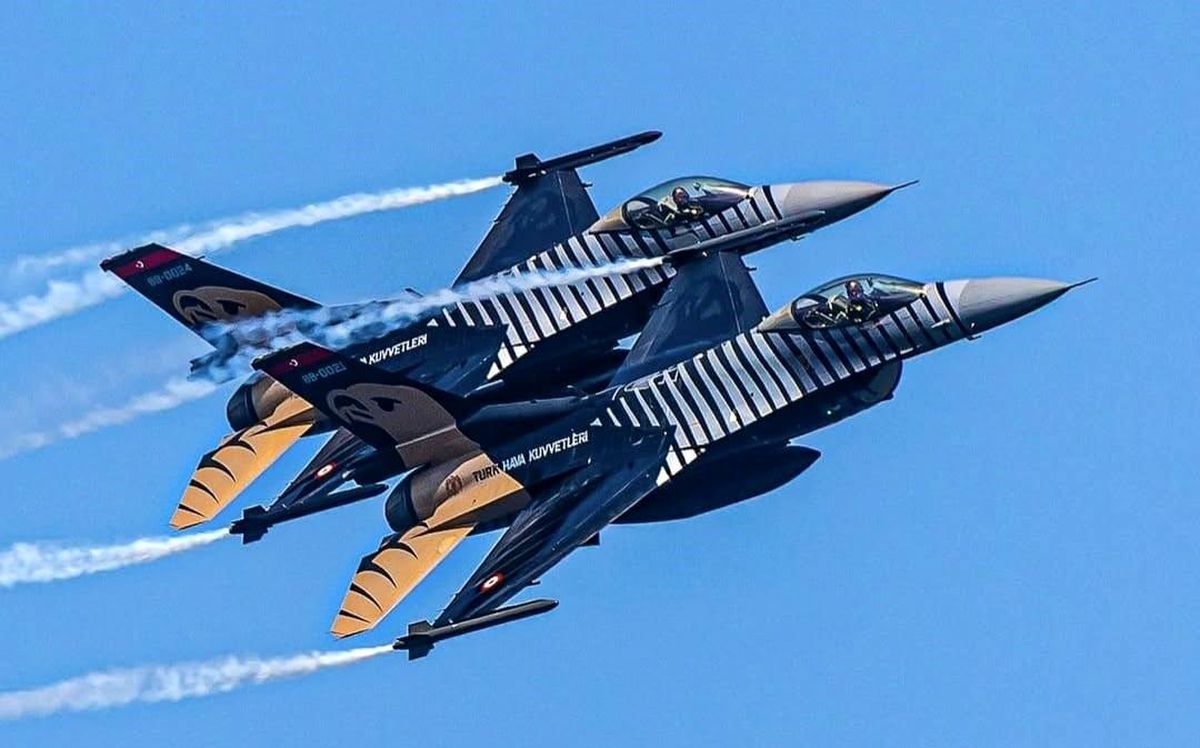
One of the F-16’s most distinctive features is its lightweight airframe and aerodynamic design. Its blended wing-body configuration and trapezoidal wings provide excellent maneuverability, allowing the aircraft to perform tight turns and rapid directional changes. The relaxed static stability design also contributes to its agility, while a fly-by-wire flight control system helps the pilot control the aircraft safely at demanding flight conditions.
The bubble canopy and elevated seating position give the pilot an exceptionally wide field of view. Combined with the side-mounted control stick and hands-on-throttle-and-stick (HOTAS) system, this cockpit design allows pilots to manage essential flight and combat functions while keeping their attention on the surrounding environment.
Another important feature is the F-16’s advanced avionics and radar system. Depending on the variant and upgrade package, the aircraft can use modern radar, digital mission computers, and sophisticated targeting systems to detect threats and engage targets in different environments. This adaptability has allowed the F-16 to evolve considerably since its introduction in the 1970s.
Power comes from a single turbofan engine, with different F-16 versions using engines from the Pratt & Whitney F100 or General Electric F110 families. This single-engine arrangement helps keep the aircraft relatively lightweight while delivering the thrust needed for high-speed flight and demanding combat maneuvers.
Finally, the F-16’s multirole capability makes it exceptionally versatile. Its multiple hardpoints can accommodate air-to-air missiles, precision-guided bombs, and external fuel tanks, allowing the aircraft to perform air-superiority, interception, and ground-attack missions. Continuous upgrades have kept the Fighting Falcon relevant for decades.
The F-16’s success comes from the balance between agility, visibility, sophisticated flight controls, and operational flexibility. Rather than relying on size alone, it demonstrates how a carefully engineered design can produce a compact fighter with a remarkably broad range of capabilities.
0 comments:
Yorum Gönder